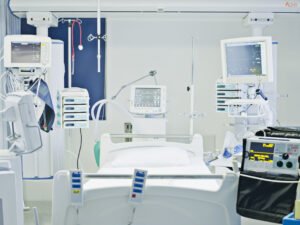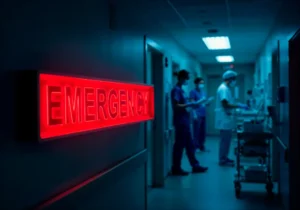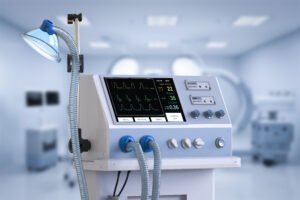

The term “emergency and trauma” is the prompt care of serious injuries as well as life-threatening illnesses. It’s a crucial role in preserving lives during times even when the clock is ticking. From car accidents to heart attacks to strokes as well as infections and unexpected medical emergencies, urgent medical care requires prompt care at the hospital nearby. If delays are not addressed, delay in the treatment process can cause problems and even the death of a patient. The accessibility to the top hospitals for emergency trauma hospital in Ahmedabad is a great way to enhance survival and results.
It’s not surprising that in a growing city such as Ahmedabad medical emergencies could occur in a matter of seconds. Our team here at Lifeline ICU Hospital, ensure the immediate availability of expert physicians who have the most advanced equipment, and 24 hour emergency services within Ahmedabad. This blog will explain what Emergency and trauma treatment is as well as the importance of picking a hospital that is close to your home situated in Gota, Ahmedabad.
What is Emergency Care and Trauma Care?
The emergency and trauma treatment requires prompt medical attention to injuries or sudden illness that require immediate attention and prompt actions.
Emergency Trauma Care Hospital in your area must offer:
- Quick actions for stabilized life-threatening illnesses
- Emergency treatment that is based on a correct diagnosis
- Different emergency treatment options that include surgical and medical situations
- Multidisciplinary Medical Teams coordination
- Continuous monitoring throughout critical care scenarios
Why Every Second is Important in the Emergency Care
In emergency situations, the speed of response is crucial, in which even the smallest delay could cause the risk of complications and decrease survival rates. The immediate access to best emergency hospital near me in Ahmedabad could save lives as follows:
- The “golden time” is the time of greatest need to treat medical emergencies and injuries.
- In a matter of moments, brain damage cause a stroke in the brain.
- If you do not seek medical treatment immediately The chance of surviving cardiac arrest drops quickly.
- Severe illnesses can get worse fast if they are not treated.
- Improved recovery results are feasible with faster treatments.
The types of Emergency and Trauma situations
The emergency care category covers a broad variety of ailments that need immediate medical attention, in order to prevent grave complications or the death. These conditions all require medical attention at a top hospitals with the most advanced equipment.
Certain emergency situations include:
- Heart attacks, cardiac emergencies like heart attacks, acute coronary syndromes
- Neurological emergency like seizures and strokes
- Injury, such as head trauma, fractures as well as internal bleeding
- Infections, burns as well as acute medical issues
- Overdoses and poisoning instances
- Gynecological emergencies that require urgent medical attention
The most important components of effective Trauma Treatment
The success of trauma treatment relies on the infrastructure, experienced specialists, and rapid intervention systems working together in order to save lives.
Its key elements include:
- 24/7 emergency care services
- Advanced life support and monitoring system
- Critical care and ICU units
- Emergency theatres
- Skilled physicians and nurses
- Ambulance and rapid reaction services
Doctor Role in the field of Emergency and Trauma Health Care
Doctors are essential in providing prompt diagnosis and treatment to ensure patients receive the most effective medical treatment in the event of an emergency.
- A quick evaluation and diagnosis
- Perform life-saving procedures as well as operations
- Monitoring patient condition continuously
- Coordinating with specialists to provide the most advanced medical care
- Support for post-emergency recovery
In Lifeline ICU Hospital, our specialists provide top-quality special care and emergencies.
Myths vs. Facts About Medical Emergency
There are many misconceptions surrounding emergency medical care. may delay treatment, making an awareness of the issue crucial for taking correct decisions fast.
A few myths are:
Myth 1. Emergency care is reserved for serious injury
In fact, it includes a myriad of medical emergencies that anyone in the general population recognizes that stroke and heart attack are emergencies similar to stroke and heart attack.
Myth 2: You should not wait until the symptoms get serious or severe
The fact is that delays could result in serious issues
Myth 3. All hospitals offer the same level of emergency treatment
Fact: Specialized hospitals provide better outcomes
Myth 4: Medical emergency care is expensive
The fact is that early treatment can cut down the cost in the long run.
What to do in an emergency
When faced with an emergency being prepared can make all the an impact before rushing to the nearest hospital. This can aid in stabilizing the patient as well as protect from serious complications.
The steps to follow:
- Contact emergency services immediately.
- Keep calm and react swiftly.
- Give basic first aid for those who are certified.
- Beware of unnecessary movements by the patient.
Conclusion
This blog is designed to guide you through how to handle emergency or trauma scenarios. If you don’t have much time you can count on us to assist you in saving lives. To receive expert and reliable care make sure you put your trust in Lifeline ICU Hospital, the most renowned hospital located in Ahmedabad, Ahmedabad. Care that is timely and with the proper medical assistance can make a difference in the lives of patients.
Answers to Common Questions about Trauma & Emergency Care
1. What is the best time to get medical emergencies?
It’s the first time that immediate medical attention can greatly improve the chances of survival.
2. How do I get to an emergency facility?
If you are experiencing symptoms that include chest pain, injuries or breathing problems abdominal pain, problems with gynecology.
3. Are emergency services available 24/7?
Yes, we offer 24 hour emergency services.
4. Does emergency medical care cover any condition?
It is responsible for injuries and medical emergencies.
5. Are ambulances vital?
Yes, it gives immediate treatment and essential emergency first aid treatment.
6. What do I need to bring in emergency situations?
ID, medical record, as well as current medication(if there is any) information.