
Emergencies in medicine can strike at any time and often leave the patient in anxiety and fear. The ability to respond swiftly and in a calm manner is vital for ensuring the highest possible outcome for those suffering. When you’re in the office, at home, or out and about, you must remain calm and take the steps necessary to manage any medical emergency effectively.
In this blog, we’ll guide you through the steps of handling an emergency. We will also describe how obtaining medical assistance, such as that offered at Lifeline ICU Hospital, can make an important change.
Stay Calm and Assess the Situation
The first thing to remember in any emergency is to remain at peace. The stress of the situation can cloud your judgment and make it difficult to evaluate the situation. Relax and concentrate on the person who is in need. Take a look around and collect the much information as you can:
- What was the exact cause?
- Are they breathing?
- Do you see any obvious physical injuries?
- Are there any others that can help?
These first observations will aid you in making quick decisions and deciding if it is necessary to contact medical professional assistance or whether urgent first aid is needed.
Call for Help
After you’ve evaluated the situation, and if you believe you suspect that the patient is suffering from an illness that is serious then the first step is to dial to get professional assistance immediately. It could be as simple as dialing emergency services or contacting the local hospital to seek advice. Quick action can make a critical difference especially when supported by an emergency trauma hospital in Ahmedabad equipped to handle life-threatening situations.
If you call, be sure to provide the necessary details such as
- The exact location of the disaster
- An overview of the events that transpired
- The state of the individual (conscious breathing, awareness, etc.)
- Additional pertinent details (e.g. the allergies, conditions that are present)
If you’re not sure if it’s an emergency that could be life-threatening It’s recommended to be cautious and get help. It’s often critical to act quickly in medical emergencies. Therefore, prompt intervention could help save lives.
Perform Basic First Aid
As you wait for medical aid to be delivered you can perform a few fundamental first aid methods you could apply. This will not only help the patient, but will also provide them with the greatest chances of success in the meantime until medical attention is accessible. Here are a few basic first aid guidelines to help with various medical emergency situations:
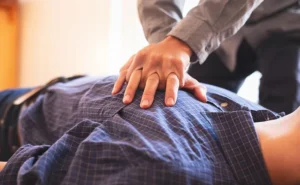
Cardiac Arrest: If a person is shivering and becomes unresponsive, determine whether they’re breathing. If not, initiate CPR (Cardiopulmonary Resuscitation) immediately. Do a hard, fast push to the chest with a speed between 100 and 120 compressions every minute. If you’re certified in CPR make sure you use mouth-to-mouth CPR. If not, constant chest compressions are crucial.
Severe bleeding: Apply pressure to the wound by using a clean towel or bandage. If bleeding does not stop you can apply additional pressure or apply a tourniquet over the wound, if you’re experienced to use it.
Choking: When a patient who is suffering from choking but not able to cough, you can give the abdominal muscles (Heimlich move). In infants, try gentle back slaps, as well as chest thrusts.
Broken Bones: If you know someone who has an injury that is suspected to be broken, remain still, and put the affected area in a position of immobilization using the help of a splint or other materials nearby to stop any further injuries.
Burns: For minor burns clean the burn area by soaking in cool water for at least 10 mins. Avoid using ice or cold water because they can cause the burn to become more severe. If you have severe burns, protect the burn by a clean and dry bandage, and then wait for medical attention.
Stroke: In the event that you believe that someone has a stroke (symptoms might be an abrupt weakness, numbness or slurred speech) be quick to act. Quick action can be lifesaving, especially when supported by an emergency trauma hospital in Gota equipped for rapid, critical intervention.
Monitor the Person’s Condition
As you wait for help to show up, it’s vital to keep an eye on the patient’s health. Be attentive to the pulse, breathing and their responsiveness. If they are unable to speak, maintain their head up and examine their airways for obstructions. In the event of pain that is severe, calm them down and keep the body from moving in order to prevent further injuries.
Transporting the Person
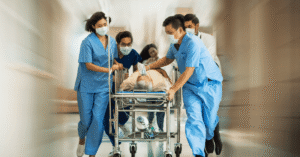
If you’re placed in a situation where you have to take someone into the medical facility, it’s essential to transport them in a controlled manner and gradually. It is only necessary to try this when someone could be in imminent danger at the current situation (e.g. or a vehicle accident or the fire). Do not move someone who might be suffering from back or head injuries unless it is absolutely essential, because it could result in further injury.
Follow-up with professional Care
When the patient is placed under the care of qualified medical professionals, they’ll be able to take care of the patient and provide an evaluation of the circumstance. It is important to adhere to the instructions of their team and give any details that can aid in the diagnosis or treatment of the individual. Lifeline ICU Hospital offers expert care and the infrastructure to deal with medical emergencies efficiently and with efficacy.
Need an Appointment?
When to Seek Immediate Help
Though some minor injuries or diseases can be handled at the home, there are certain circumstances where medical attention is essential. This includes:
- Pain in the chest or signs of heart attacks
- Shortness or difficulty breathing of breath
- A sudden numbness or weakness may occur in one part of the body
- Severe burns or deep wounds
- Uncontrollable bleeding
- Loss of consciousness or seizures
In any of these scenarios the need for medical attention is essential to deal with the problem properly and avoid any further problems. Seeking help from an emergency trauma hospital in Ahmedabad ensures timely and expert care during critical moments.
Conclusion
The ability to manage a medical emergency involves quick thinking, calmness as well as the correct knowledge. Being aware of what you should do when it comes to providing first aid or calling medical professionals could be crucial to the outcome of a medical emergency.
If anyone you are aware of is suffering from a medical emergency, do not delay in reaching out to the professionals of Lifeline ICU Hospital. The team of experts can ensure you receive the highest quality treatment in times of emergency.