
The most common cause of trauma is death among those aged older in the United States. However, despite the frequency and seriousness of injuries sustained in traumatic accidents, there aren’t many hospitals with an emergency trauma unit.
Trauma centers are specially designed medical facilities that can handle serious injuries swiftly and efficiently and offer the greatest chance of recovery and survival. Learning about the role of trauma centers and the best way to access their services can make an impact in emergencies.
Why Trauma Centers Are Essential
Trauma is a broad spectrum of serious injuries that result from events like car crashes as well as burns, falls, violent injuries from sports, as well as industrial accidents. According to the World Health Organization reports, trauma-related injuries account for more than 5 million deaths in the world each year. That makes trauma among the top global health issues for the public.
However, trauma services aren’t universally accessible at every hospital. This is why trauma centers have crucial roles. The study highlights the lifesaving capabilities of trauma centres and the significance of having an organized trauma system that is in place. If you or a loved one faces a serious injury, it’s crucial to seek care from a reliable emergency trauma hospital in Ahmedabad.
When every second counts, trust the expertise and comprehensive care at Lifeline ICU Hospital, Ahmedabad’s trusted emergency trauma center.
The History of Trauma Care in the United States
Treatment for trauma has changed dramatically during the last century. At first, wounded patients were taken to the closest hospital, no matter how advanced. But, studies over the years showed that patients who were treated in hospitals that had specialized trauma centers have significantly higher rates of survival.
A trauma center was first introduced in the late 1960s and early 1970s and was initially prompted by advances in military medicine as well as in the field of emergency surgery. Since then, trauma-related systems have been developed throughout the United States by integrating emergency medical care in pre-hospitals as well as hospital-based treatment, rehabilitation, and other services into an extensive regional network.
What Is a Trauma Center?
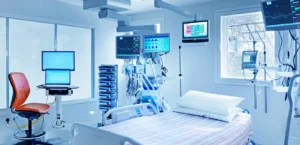
Trauma centers are specialized units in the hospital that are equipped and fully staffed to offer comprehensive medical emergency assistance to those suffering from major trauma. As opposed to the typical emergency room, trauma facilities are equipped with specialized teams of specialists equipped with the latest technology to treat difficult injuries swiftly and effectively.
Types of Injuries Treated at Trauma Centers
Trauma centers can handle a variety of injuries. These include, but are not only:
- Brain injuries that are traumatizing, such as skull fractures, concussions, and contusions
- Injuries from crushing objects or even accidents
- Electrical injuries cause deep tissue and organ damage
- Severe burns requiring specialized care
- Lacerations and puncture wounds that are deep
- Major bone fractures that could cause paralysis or the possibility of long-term disabilities.
Trauma Center Designations and Levels
Hospitals are able to seek designation as a trauma center by following the stringent criteria laid out by accreditation bodies like the American College of Surgeons (ACS). The verification process involves a thorough assessment of hospital resources as well as staff and results.
The trauma centers are classed into four levels, according to their capability:
- Level 1 Trauma Centres: These centers provide the top standard of trauma treatment that provides 24/7 service by a range of experts, such as neurosurgeons, general surgeons, orthopedic surgeons, anesthesiologists, radiologists, as well as experts in critical care. They also oversee studies on trauma, as well as education and prevention, as well as regional centers for referral.
- Level II Trauma Centres: They provide comprehensive trauma services; however, they may also transfer difficult instances to Level I centers. They are the most specialized available on call and can provide the highest-quality surgical services.
- Level III trauma Centers: They provide initial trauma assessments along with resuscitation, stabilization, and assessment, as well as the option to move patients to higher-level centers if required.
- Level IV Trauma Centres: Offer basic trauma treatment and stabilization services, typically serving remote or rural areas through transfer agreements to facilities of higher levels.
The Trauma Team: Who’s Caring for You?
A Multidisciplinary group of well-educated specialists working in tandem to help save lives. Our trauma teams consist of:
- Trauma surgeons who do emergency surgery
- Emergency doctors, as well as Physician assistants trained in crucial medical
- Anesthesiologists ensure patient comfort and safety throughout the procedure
- Critical care specialists managing intensive care needs
- Radiologists who perform advanced diagnostic imaging
- Nurses specially trained in emergency and trauma care
- Emergency Medical Technicians (EMTs), as well as paramedics, provide pre-hospital medical care as well as transportation
A dedicated emergency trauma hospital in Gota can provide rapid diagnosis, immediate stabilization, life-saving surgery, and continuous care tailored to each patient’s unique needs. Lifeline ICU Hospital is designed to handle critical injuries efficiently, ensuring that every second counts in preserving life and improving recovery outcomes.
The Patient Journey Through Trauma Care
If a tragedy occurs, it is crucial to act quickly as time is of the utmost importance. What you should anticipate in a trauma centre:
- Transportation and Emergency: Paramedics or EMTs can provide the initial stabilization as well as rapid transportation to the closest trauma center. They are equipped with specially designed instruments to observe critical signs and initiate treatment as soon as they arrive.
- Evaluation and Triage: Upon arrival, the trauma team members quickly assess the severity of injuries and prioritize treatments. The team will use advanced imaging techniques such as CT scans and X-rays, which help identify internal injury.
- Surgery: If needed, trauma surgeons, as well as anesthesiologists, work fast to complete life-saving operations to stop bleeding. heal fractures, and relieve stress on brain tissue.
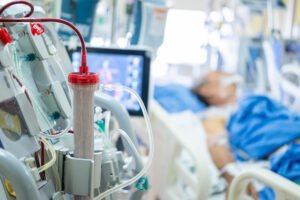
- Critical Care Monitoring and Management: Following surgery or the initial treatment, patients are often required to stay in the ICU in where critical medical specialists monitor their recovery.
- Rehabilitation Plan: Trauma centers also provide rehabilitation and therapy services, such as occupational and physical therapy, for patients to help them regain mobility, independence and improve their quality of living.
- Discharge and follow-up: Following stabilization and recuperation, Patients receive thorough discharge instructions as well as the opportunity to join outpatient therapy and support groups.
Conclusion: Being Prepared Could Save Your Life
The most serious injuries are often unavoidable and can be caused by injuries, accidents, or violent acts. Although we wish you didn’t have to visit a trauma hospital, having a basic understanding of what they are and where they can be found will help you save time during a crisis.
The trauma centers we have and our statewide network, which is staffed by world-class professionals and cutting-edge technologies, will give you the top level of treatment whenever you require.