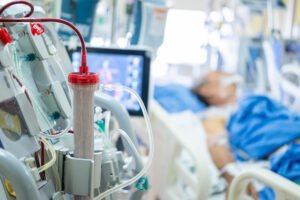

ICUs in Hospitals have mixed opinions from the public. Some patients and their families complain about the expense however, most patients appreciate the quality of medical care and specialized treatment provided by ICUs.
ICUs have been the subject of a lot of discussion over the last few years; however, they are not new to the world. They have a long tradition. The legendary nurses wrote about having an entirely separate unit that could take care of patients recovering from surgery.
ICUs are vital
CCUs, or ICUs (Critical Care Units), were predominantly used to treat premature infants, extremely sick patients, as well as those suffering from complications post-surgery. However, since 1990, advances in Medicine and Healthcare combined with the diagnosis of new diseases and treatments, have led to a growing demand for ICUs.
People suffering from cerebrovascular issues and tumors, such as those of the lung, require specialist medical attention. Inscribing them into the ICU decreases the amount of time they spend inthe hospital.
The transplantation of different organs demands an extensive post-operative surveillance as well as intensive medical care. This is most effective in an ICU. The absence of an ICU could increase the risk of death as well as the chance of failure.
Utilizing minimally invasive procedures, followed by intensive treatment in an ICU speeds up the rehabilitation process for patients suffering from nursing or medical problems. Looking for the best ICU in Ahmedabad? Experience world-class critical care with expert doctors, 24/7 monitoring, and cutting-edge technology.
Utilizing specialized medicines in conjunction with intensive treatment can help patients suffering from one or more organs failing to get better faster.
More frequent cases of trauma like those resulting from shootings, accidents, stabbing injuries, falls from high places and burns that are severe require specialist treatment
The benefits offered by an ICU/CCU
Regulate the function of ICUs as well as document the advantages that ICUs and CCUs provide, based on actual cases. In the same way they accomplish these,
- Lower Mortality Rates
- Shorter ICU stay
- A shorter time-span of mechanical ventilation
- Hypotensive episodes and reduced arrythmias
- Lower rate of kidney failure
- An increase in the number of central vein and pulmonary arterial catheterizations
- A lower number of blood-gas arterial tests
- Less consultations are required.
- Costs for ICU are cut ICU cost
Specialized Education for ICU/CCU
In light of the importance and advantages of having an ICU/CCU organizations like that of Society for Critical Care Medicine (SCCM) in the US and Medical Council of India (MCI) In India have designed training courses that will help doctors become specialize in Intensive care, also known as the Intensivists.
Members of a Critical Care Team
A team of Critical Care is an inter-disciplinary group of experts who have completed training in specific areas of medicine. They also have a specialization or training in the field of intensive treatment.
- Intensivist, also known as CC specialist: The term “Intensivist” refers to a certification as a board specialist in a particular branch of medicine and also the certification for Intensive Care. An intensivist is a permanent medical professional who is assigned to an ICU/CCU and knows how different procedures affect organ systems.
They avoid duplication of efforts and are aware of the patient’s or their family’s needs. Additionally, he serves as the primary person of contact for all personnel on the team and the physician in charge, the family member and patient.
- Critical Care Nurses: The CC Nurses typically senior nurses with a lot of experience or mid-level nurses who have been trained in the field of intensive treatment. They monitor closely the health of their patients, understand the best time to intervene and serve as a liaison between the patient’s family.
- Clinical Pharmacologist: Clinical pharmacologist is a pharmacist with expertise in Intensive Care. They work closely with the Intensivist as well as other staff members in the design of medication treatments.
- Registered Dietician: Dieticians that work in the ICU/CCU are responsible for the specific requirements of nutrition for the ICU patient, which differs in comparison to other patients.
- Respiratory Therapist: The therapist monitors the patient’s airways and provides the treatment of oxygen, mechanical ventilation Aerosol and cardio-respiratory treatment, according to the needs
- The Physiotherapist or the Occupational Therapist: He/she relives pain and restores function, increases the mobility of patients and provides counselling to decrease the physical or mental limitations that the person.
Our Experiences with CCU/ICU
Lifeline ICU Hospital maintains a CCU at all of its locations across Gujarat. Our expertise in providing high-quality care and our welcoming and compassionate treatment of patients or family members is highly appreciated by the patients repeatedly.
- Admission: It is the Emergency Unit that admits patients for operation even if relatives or friends have completed the admission procedure. The hospital does not collect advance payments and the payment is made upon the time of discharge.
- Post-operative treatment: The CC team as well as the patient coordinator is present for the family and patient regularly updating them about the situation, treatments that are being administered, anticipated outcomes, etc.
This level of transparency and support reflects the standards upheld by the best ICU hospital in Ahmedabad.
Conclusion
Recent years have seen doctors as well as hospitals have been trying to educate the family and patient about the costs and health advantages of an ICU or CCU in order to dispel the negative impressions about CCUs and ICUs. Naturally, CCUs or ICUs can be very beneficial and elevate patient care to the next level. This commitment to awareness and quality treatment is a hallmark of the best ICU in Gota.