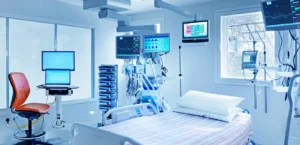

Its Intensive Care Unit (ICU) is an advanced self-contained facility in a medical center, which is equipped with the latest technology to ensure the precise observation, quick intervention, and sometimes prolonged treatment of patients who suffer from chronic organ malfunction. Its purpose is to offer medical care and monitor patients with life-threatening conditions. The aim of intensified care is to maintain vital organs and functions functioning in critically sick patients to avoid further deterioration of their physiological condition or death, as well as morbidity.
The principal goal in intensive treatment is to help support and sustain vital bodily functions such as blood circulation, breathing and organ functioning while dealing with the root cause of illness or injury. In a close examination of physiological parameters and reacting quickly to any modifications in the condition of a patient, the intensive care program helps avoid the deterioration from continuing, minimize mortality and morbidity, as well as increase the chances of recovery.
By utilizing a multidisciplinary approach that includes nurses, intensivists, and respiratory therapists, as well as others in the ICU, the ICU is a key element in preserving lives and returning health even in the most difficult circumstances. Recognized as the best ICU in Ahmedabad, a well-equipped intensive care unit combines cutting-edge technology with compassionate care to manage complex medical emergencies.
What are the different Intensive Care Units?
The pathologies/conditions treated in intensive care units can be categorized (e.g., neurological, trauma, burns, medical, or surgical ICUs) or the patient’s age group (adult or pediatric). Pediatric, medical as well as neonatal ICU units are examples of special Critical Care Units.
ICUs are also arranged in accordance with age groups in order to provide appropriate treatment protocols and facilities. Adult ICUs are able to manage seriously ill adults who are sick, while ICUs for children (PICUs) focus on children who require a high level of care and monitoring.
Neonatal intensive care units (NICUs) specialize in taking care of babies who are critically or prematurely sick. Furthermore, they provide surgical, medical, neonatal and pediatric ICUs are specialized units that combine cutting-edge technology with multidisciplinary experts to increase the survival rate and outcomes of patients in potentially life-threatening scenarios.
Medical Critical Care Unit
Adults with medical conditions that need regular monitoring, specific monitoring, and critical care for treatment are treated within the medical intensive care unit. Diabetic ketoacidosis (DKA), intestinal hemorrhage, drug overdose and respiratory failure, sepsis, cancer, stroke and sepsis are just a few of them.
Surgical Care Unit
Patients recovering from surgery, for example, those who’ve undergone significant abdominal surgeries, patients with craniotomy and thoracotomy, as well as unstable multiple trauma patients and anyone who needs continuous monitoring or life-sustaining care, are taken care of by the unit for critical care in surgery.
Pediatric Care Unit
Children who are critically ill are cared for in the unit for pediatric intensive care. Children who’ve recently undergone surgery or are in danger of deteriorating are also taken care by the unit for pediatric critical care.
Neonatal Care Unit
The premature, high-risk and critically ill neonates are taken care of within the intensive neonatal medical unit. The neonatal critical care section treats newborns with genetic diseases as well as birth problems.
Known as the best ICU in Gota, this neonatal ICU focuses on delivering comprehensive and compassionate care using modern technology and evidence-based treatment protocols.
What Is The Type Of Treatment Equipment To Treat Patients In The ICU?
The equipment used in the ICU is designed to provide life support in addition to support for many organs in the body (for instance, lung function, kidneys or the heart). A doctor in intensive care typically is assigned to each patient and will inspect the medical equipment as well as any life support system regularly. This includes, but is not restricted to the following:
- Cardiac monitors can be used to monitor vital indicators.
- Ventilator
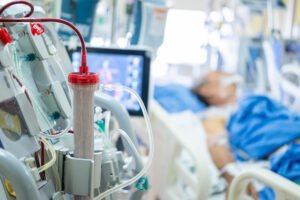
- Infusion pumps serve to regulate the flow of medicine, which is controlled by the drip as well as the infusion pump.
- Syringe pumps allow you in order to adjust the dosage of medication for the patient by using a syringe.
- Suction equipment
- Oxygen
- BiPAP and CPAP machines are two examples of various respiratory support equipment.
Primarily Treatment Options within An ICU
What will You Find Within The ICU?
With the numerous cables, wires, pipes as well as monitoring equipment the ICU is intimidating for those who are admitted and the guests.
Patients in ICUs are connected to several pieces of equipment, the most common among them is the heart monitor as well as artificial ventilators (for patients who can’t breathe by themselves). In the event of a change in health it is when a number of ICU equipment beeps and emits high-pitched sounds and sirens in order to warn the staff. Contact one of the best ICU hospital in Ahmedabad at Lifeline ICU Hospital to know more about these processes.
Many lines and tubes are typically employed within the ICU in order to assist and monitor severely ill patients. This includes the intravenous line to provide medicines, fluids as well as nutrients; feeding tubes for essential nutrients; urinary catheters used to eliminate urine as well as drainage tubes for removing excessive fluids from the body. Each tube is designed to serve a particular function in ensuring essential functions as well as supporting the recovery process.
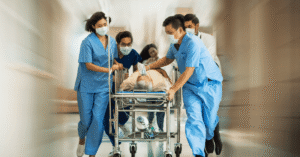
The ICU is run with a vast and extremely specialized group comprising medical staff. It includes intensivists, residency doctors, critical-care nurses, respiratory therapists pharmacists, as well as other health professionals who work together throughout the night. They are always present to ensure constant supervision, rapid interventions as well as comprehensive treatment tailored to the specific requirements of seriously ill patients.
What Is The Best Time To Have An Intensive Care Unit’s Treatment Suggested?
Inpatient care is necessary if one is seriously ill and requires extensive medical treatment in an ICU as well as constant monitoring or when they have surgery that requires intensive treatment.
Most people who are in intensive health units (ICUs) are suffering from the organs they are in. Some may not be able to breathe by themselves like, for instance.
There are many reasons to consider the need for an ICU is suggested are:
- Accidents that are serious
- Serious health concerns like heart attack
- Major infections like pneumonia
Research shows that nearly 50% of patients treated in the Intensive Care Unit tend to improve their level of living. The ICU specialists from Lifeline ICU Hospital are highly trained and skilled specialists who work around the clock to check the body functions of patients.
ICU Doctors are highly trained and experienced experts who are specially trained in medical critical care. They are available 24/7 together with highly skilled nursing personnel and health care professionals who constantly monitor vital bodily processes like breathing rate, heart rate, blood pressure, and organ function. Continuous supervision allows quick decision-making as well as immediate responses to changes of a patient’s health, which significantly improves longevity and survival rates. Recognized as the best ICU in Ahmedabad, a high-quality intensive care unit offers advanced technology, rapid response systems, and coordinated multidisciplinary care.