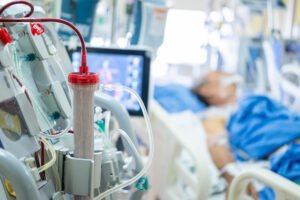

The Intensive Care Unit (ICU) has a significant role to play in modern medicine, providing expert medical care to patients seriously injured or sick. However, despite its significance, it is a fact that the ICU is usually plagued by misinformation and fear. The media’s portrayals, inadequacy of information, as well as misinformation have led to a myriad of myths that create anxiety and stress for families of patients.
If you’re searching for the best ICU in Ahmedabad, it’s important to look for facilities that not only offer advanced technology and experienced critical care teams but also prioritize transparent communication, compassionate care, and emotional support for families.
In this blog, we will dispel many of the common beliefs about ICU procedures and give an understanding of the nature of ICU treatments actually involved. Knowing the truth can not only benefit families but also help them care for those they love in difficult situations.
Myth 1: ICU is for only patients who are on life care
Fact: While many patients in the ICU are dependent on medical support equipment, such as ventilators, there are not many who require ventilators. ICU services are tailored to the specific needs of patients who require continuous medical monitoring, not just those with terminal illness.
The ICU treats a wide spectrum of illnesses, such as:
- Patients who have had major surgery are recovering
- People with serious infections like sepsis
- Victims of a serious accident or trauma
- People suffering from heart attacks, strokes, or respiratory disorders
At Lifeline ICU Hospital, every patient’s health is carefully assessed using the most sophisticated technology and equipment, which ensures prompt intervention and the highest chances of recuperation.
Myth 2: Once in the ICU, the patient is not likely to be able to return
Fact: ICU admission is not a punishment for death. Actually, it usually improves the chances of recovery.
With the advancements in medicine for critical care, the majority of ICU patients are able to completely recover and live life as normal. The ICU can handle grave conditions and prevent their deterioration. It is often the case that early intervention in the ICU can be the difference between life and the end of life. The timeframe for recovery can vary. However, outcomes can be favorable, particularly in the case of patients receiving timely and adequate medical attention.
Myth 3: ICU patients are never asleep
Fact: While some ICU patients are asleep or sedated because of the medical issue or treatment, the majority are awake, alert, and are able to communicate.
Patients might be aware during oxygen treatment, IV medication, and cardiac monitoring. The medical team usually tries to keep patients at a high level of alertness, unless it is required for the patient’s safety or comfort.
Families are frequently shocked to discover that their loved ones are able to communicate or even respond when they are in an ICU. If you’re looking for the best ICU hospital in Ahmedabad, it’s essential to choose a facility that combines medical excellence with compassionate, patient-centered care.
Myth 4: The ICU procedures can be difficult and invasive
Fact: Although some treatments are invasive, ICU teams prioritise patient relaxation and pain control.
Procedures like intubation and catheter placement may be necessary and are done with care, usually with an anesthetic or sedation. ICU team members include pain specialists who employ various non-pharmacological strategies and methods to reduce pain. It is the aim to help patients recover in the most compassionate and compassionate way that’s possible.
Myth 5: Visits to ICU patients could be dangerous
Fact: On the contrary, families can provide comfort and emotional support, which helps in the healing process.
The research shows that ICU patients are psychologically benefited by visits from family members. A majority of ICUs allow family visits and even allow for a limited number of visits to strengthen emotional bonds and provide reassurance.
However, the rules regarding visits could be altered based on conditions of the patient, infection control, and guidelines for public health (e.g., for instance, in the event of pandemics). Always speak with ICU staff regarding proper and safe visiting procedures.
Myth 6: The signs of a ventilator always signal an end-of-life state
Fact: Ventilators are life-saving instruments, but they are not necessarily an indicator of imminent death.
Patients often require support from the ventilator in a brief time because of infections and fluid in the lungs, or complications post-surgery. After the underlying problem is addressed, patients may usually be taken off of the ventilator with ease. For example, patients suffering from COVID-19 or pneumonia may require the use of a ventilator for a short time, and then get back to normal with appropriate medical treatment and follow-up.
Myth 7: ICU patients are not provided with individualized care
Fact: ICU care is one of the most customized kinds of medical services that are available.
Each patient receives a personal health care team. This may include:
- Critical care doctors (intensivists)
- Nurses with specialisation (often using the ratio of 1:1 or 1:2 nurse-to-patient ratio)
- Therapy for the respiratory system
- Nutritionists
- Pharmacists
- Therapists for physical therapy
Each patient’s treatment program is constantly monitored and modified according to real-time feedback. Our goal is to offer complete, personalized care to ensure the most effective outcomes.
Myth 8: ICU stay is always longer-term
Fact: The length of an ICU stay can vary greatly based on the state.
A few patients could be admitted to the ICU for only 24-48 hours for monitoring post-operatively; however, others might require longer treatment due to more complex medical issues. The length of stay is contingent on various factors such as the nature of the condition, treatment response as well and overall health. It is a continuous process of evaluating recovery as patients are transferred to general wards as quickly as it’s safe.
Myth 9: It is only patients over the age of 65 who require ICU treatment
Fact: People of all age groups, from infants to senior citizens, could require ICU medical attention at some point.
Paediatric ICUs (PICUs) as well as Neonatal ICUs (NICUs) are geared specifically to infants and children. Patients of younger ages may require more urgent care because of infections or injuries, as well as congenital problems or complications from surgery. It is not the only key factor in determining the severity of an illness. The nature and the level of care required will determine ICU admission.
Myth 10: ICU Patients are to their own devices for the majority of the time
Fact: ICU patients are always under surveillance round the clock.
Actually, it is true that the ICU has the most advanced quality of surveillance within the hospital. Every vital metric-heart rate, oxygen levels, blood pressure as well as respiratory rate is continuously measured with the help of advanced technology.
Alarms that are specific to the patient alert the staff of any change in health, which allows for immediate intervention. Staff nurses are not assigned as many patients as in other wards. This allows them to give more personal, personalized treatment.
The Truth About ICU Care in Ahmedabad
ICU treatment isn’t an issue to be worried about. It’s an essential, life-saving, and patient-focused modern medical system created to give the highest quality of care when most needed. Dispelling myths helps families make more informed, confident decisions during medical emergencies.
At Lifeline ICU Hospital, the priority is always the patient – offering compassionate, individualized treatment in moments of crisis. It doesn’t matter if you’re recovering from major surgeries, managing an illness that is critical, or even stabilizing after an injury or a traumatic injury; the ICU has been designed to give patients the greatest chance for recovery.