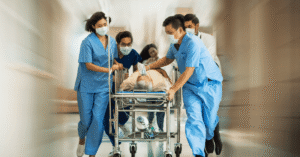

An emergency medical situation can develop quickly, and require immediate medical attention to avoid negative consequences. It is crucial that we be aware of the early indicators of medical emergencies so that we can be prepared when medical assistance arrives. Understanding signs of stroke and heart attack allows people to prevent deaths in the event of medical emergencies.
In such situations, having access to the best ICU in Ahmedabad ensures advanced monitoring, expert critical care specialists, and life-saving treatment without delay. This blog examines the typical medical reasons for these emergencies and provides warning indicators that require a prompt medical treatment.
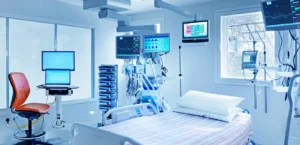
Lifeline ICU Hospital, Ahmedabad is fully equipped with state-of-the art infrastructure including intensive care units. The department can be reached 24/7 to assist patients with respect and compassion.
Most Medical Emergencies Commonly and the Causes
Many health-related issues such as trauma, infection as well as chronic illness and acute health issues provide opportunities to respond in medical emergency situations. Your speedy emergency response and your understanding of emergency medical criteria enhance your chances of a successful recovery for the patient. The following are the most common medical emergencies and their reasons:
Heart Attack
A heart attack happens in the event that a blockage blocks the flow of blood into the heart muscle. This is usually because of the development of the formation of blood clots. The symptoms include chest discomfort, breathlessness and fainting.
Stroke
A stroke is triggered in the event of a blockage that disrupts circulation of blood into the brain because of an artery bleeding clot (ischaemic stroke) or bleeding (haemorrhagic stroke). The result is usually an abrupt numbness or weakness of the arm, face, or leg. It is usually affecting only one part or the other.
Severe Allergy reactions (Anaphylaxis)
It’s a severe and possibly life-threatening allergic reaction which can happen within minutes or just a few minutes of contact with allergens like foods, insects and medications. The correct treatment with epinephrine is vital because symptoms can manifest as the appearance of swelling, skin eruption and breathing issues, and decreased blood pressure, and shock.
Bleeding Severe
It can happen due to an injury or trauma, and may result in the loss of blood. A severe bleeding could result in shock if it is not promptly managed and stopped.
Sepsis
An emergency response to infection, which could cause widespread inflammation. The process occurs when the chemicals released into the bloodstream to fight infection cause inflammation throughout the body. Sepsis symptoms are high fever, a rapid heartbeat, agitation and low blood pressure which can cause an organ’s damage or even death if it is not addressed promptly.
Severe Asthma Attack
Allergic reactions or respiratory illnesses may trigger the issue and cause breathing difficulties. This can lead to serious respiratory problems if it is not taken care of properly.
Initial Symptoms and Signs To Look Out For
A few medical ailments like strokes or heart attacks, are slow to develop, while other conditions such as allergic reactions may escalate quickly. Being aware of early warning signs could allow you to seek medical attention before the issue gets worse. Timely access to the best ICU in Gota ensures advanced monitoring, experienced critical care specialists, and immediate life-saving treatment.
These are early warning indicators and signs to look for:
Chest discomfort: Often associated with chest discomfort or pain could be an indication of the possibility of a heart attack. If you feel tension or discomfort in the chest area, particularly radiating towards the jaw, arm or back, you should seek medical assistance immediately.
The shortness in breath: Difficulty breathing, even when in a relaxed state, could indicate breathing problems or a looming heart attack. When it is accompanied by chest pain this could indicate an event in the heart.
Severe headache: An abrupt, intense headache could suggest a stroke. This is especially true in the case of the sensation of numbness or confusion or visual problems
The feeling of fainting and dizziness: Feeling lightheaded or faint can be an indication of lower levels of blood pressure, dehydration or cardiac arrhythmia. These symptoms shouldn’t be overlooked.
Swelling and Pain: Unexplained pain and swelling of the legs, particularly when coupled with breathing difficulties or chest pain could be a sign of a blood clot, heart failure or deep vein blood aneurysm (DVT). It is crucial, since they could signal a medical emergency.
Extreme abdominal pain: A sudden and severe abdominal pain may be an indication of appendicitis, gallstones or abdominal aneurysms, all of which need urgent medical attention.
Severe Allergy Reactions: Signs of an increase in swelling, difficulty breathing or hives upon exposure to allergens may be anaphylaxis or a serious allergic reaction which requires prompt medical attention.
In such emergencies, access to the best ICU hospital in Ahmedabad ensures advanced life-support systems, continuous monitoring, and expert critical care specialists who can provide timely and effective treatment.
How Can You Prevent Medical Emergencies?
The most effective strategy to stay away from any unplanned medical issue is to adopt active steps. These could reduce the risk of health problems. Although some emergency situations can’t be prevented, we can avoid many of them by taking easy, regular measures.
Here are six strategies to prevent a Medical Emergency
Regularly scheduled check-ups: Regular visits to the doctor can help identify possible health problems early which reduces the likelihood of emergency situations
Manage Chronic Health Conditions: Keep conditions like diabetes and hypertension under control in order to avoid problems
A Healthy Lifestyle: Consuming a healthy diet, working out and not smoking cigarettes can dramatically reduce the risk of health problems
Keep hydrated and refueled: Proper hydration and rest are vital to maintaining the health of your entire body and helping to prevent crises
Be aware of your family history: Understanding your family’s medical history can help you spot the risk early, and get health care that’s preventive.
Get First Aid Training: Knowing basic first aid and CPR may save lives in emergency situations when waiting for help from a professional
Conclusion
Emergency situations involving medical emergencies need a swift reaction, so the ability to recognize when it is time to seek help is crucial. When it comes to heart attack signs or signs of stroke or breathing problems you must respond quickly in order to maximize your recovery and may save lives especially during critical situations.
Be aware and take the appropriate measures to safeguard your health and that of those you love. Contact with the most experienced medical specialist in emergency located in Ahmedabad in the Lifeline ICU Hospital for comprehensive medical care and cutting-edge treatments. Choosing the best ICU hospital in Ahmedabad ensures access to world-class intensive care support, advanced life-saving equipment, and experienced specialists dedicated to delivering the highest standard of critical care.